Let us teach you how MoTek Insurance can restructure health benefits to increase health coverage for your employees and save on monthly premiums.


Maximize your healthcare dollars with our HRA/HSA options, allowing you to leverage pre-taxed funds to cover medical expenses.




Higher premiums do not always mean better value.
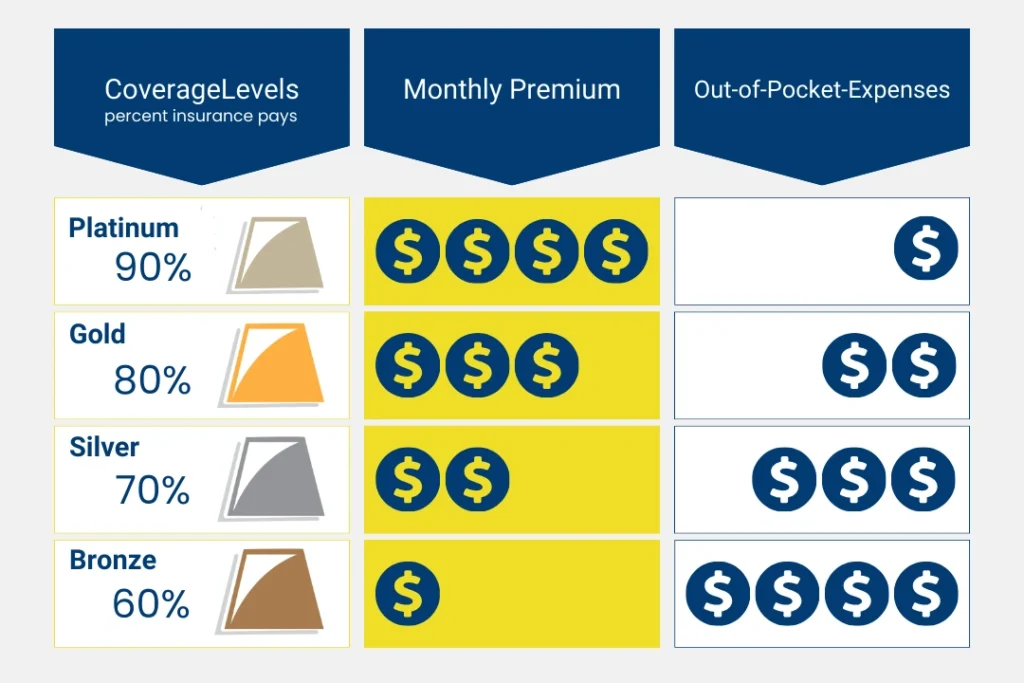
A plan with a higher monthly premium may reduce certain out-of-pocket costs, but the best option depends on how the plan is designed, how often you use healthcare, and your overall financial situation.
Lower-premium plans can sometimes provide meaningful savings.
Depending on the available options, a high-deductible health plan may offer significantly lower premiums than a richer plan. The right choice should be based on total cost, not premium alone.
Medical necessity does not automatically guarantee coverage.
Even when a doctor recommends a service or treatment, the health plan may have its own coverage guidelines, prior authorization requirements, or medical-necessity criteria.
Your out-of-pocket maximum matters.
For covered in-network services, the out-of-pocket maximum can help limit how much you are responsible for paying during the plan year. Understanding deductibles, copays, coinsurance, and maximum out-of-pocket exposure can help you compare plans more effectively.
The goal is not simply to choose the lowest premium or the richest plan—it is to understand the complete cost and coverage picture before making a decision.



Your Trusted Partner for Seamless Claim Support. With expert guidance, dedicated advocacy, and clear communication, we ensure your claim issues are resolved promptly and hassle-free. Let us handle the details while you focus on what matters most – your health and peace of mind.
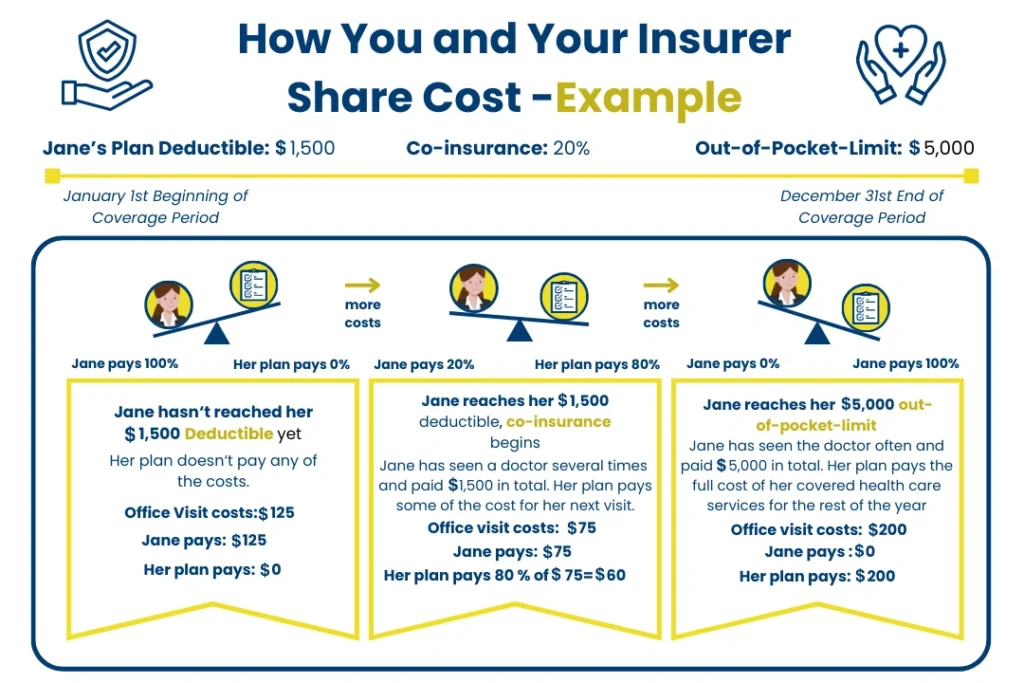
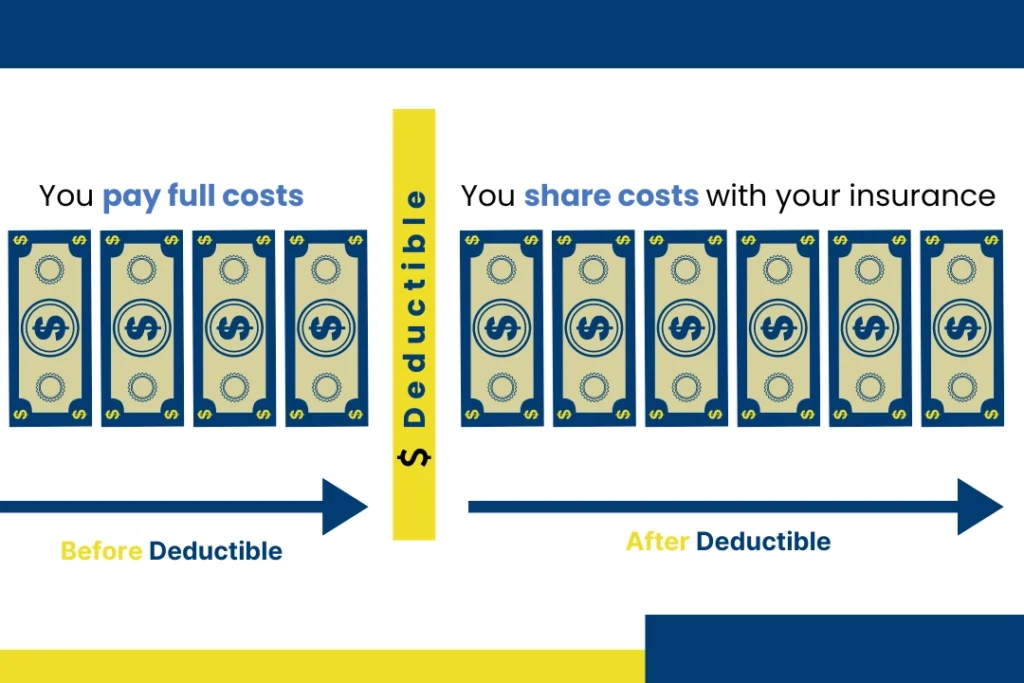
The amount you pay for covered healthcare services before your health insurance plan begins sharing the cost. Some services may be covered before the deductible is met, depending on your plan.
The percentage of a covered healthcare service that you are responsible for paying after meeting your deductible. For example, if your coinsurance is 20%, you may pay 20% of the allowed cost while your insurance plan pays the remaining 80%.
A fixed amount you pay for a covered healthcare service, such as a doctor visit, specialist visit, or prescription. Copay amounts can vary depending on the type of service and your plan.
An HMO generally requires members to receive care from doctors, specialists, and facilities within the plan’s network, except in emergencies. Members typically choose a primary care physician who helps coordinate care and may provide referrals to specialists. HMO plans often offer lower premiums and out-of-pocket costs in exchange for a more structured provider network.
An EPO generally covers care only when you use doctors, specialists, and facilities within the plan’s network, except in emergencies. Unlike many HMO plans, EPOs typically do not require a referral to see a specialist. They can offer a balance between provider flexibility and network-based cost savings.
A PPO gives members more flexibility when choosing healthcare providers. You can generally receive care from both in-network and out-of-network providers, although using in-network providers usually results in lower costs. PPO plans typically do not require referrals to see specialists and may have higher premiums in exchange for broader provider access.